
Logistics and cargo services in Nepal have reached a new phase where sustainability has become unavoidable. Poised by the increase in fuel prices, environmental awareness, standards of international trade, and, importantly, governmental pressure, logistics are shifting towards greener operations. Sustainable logistics is no longer a marketing fashion in Nepal but a core strategy, especially for exporters, importers, and cargo service providers who align with global eco-friendly delivery solutions. From electric delivery fleets to strategies for reducing the carbon footprint, it is sustainable logistics that will shape the future of cargo and freight services in Nepal. With global trade partners demanding greener shipping, Nepal's logistics sector will have to adapt if it is to be competitive in 2025 and beyond. Green logistics are those that have been set up in such a way to have least effects on the environment, with much concern for operational efficiency. These practices especially involve the reduction of carbon emission, fuel optimization, improvement of transportation efficiency, electric delivery fleets, and supportive initiatives for packaging and warehousing. Now more than ever, green logistics matters in Nepal. The country heavily relies on fuel imports, air pollution is increasing day by day in major cities, and logistic routes cut through sensitive ecosystems. Traditional logistics practices are one of the largest contributors to carbon emissions, traffic congestion, and environmental degradation in the country. Thus, the adoption of eco-friendly delivery solutions will help to minimize the carbon footprint of logistics companies while increasing the sustainability of resources in the long run. Green logistics in Nepal also meets international standards of shipment. The international customers are increasingly looking towards the companies for green logistics practices, especially in the export-oriented industries. There is a risk that Nepal might lose its competitiveness in international markets if it lagged in adopting green logistics. Various environmental challenges have arisen in the logistics and cargo industry in Nepal, which makes green logistics a must. Among the several environmentally related problems, one of the major issues is overdependence on diesel-powered vehicles. In addition, it causes old trucks, inefficient engines, and poor maintenance to increase fuel consumption and carbon emissions. Traffic congestion in places like Kathmandu Valley contributes to increased pollution and delayed deliveries. Vehicles that normally operate in logistics often sit idle for hours at a time, spewing unnecessary fumes into the air, something that takes an immediate toll on public health and environmental quality. These include poor route planning, as many logistics operators still use the manual mode of routing their operations; this leads to longer distances traveled and increase in fuel consumption. Besides, packaging waste emanating from the operations adds to plastic pollution, mostly especially in urban and semi-urban areas. Without greener delivery options, these challenges will continue to rise. Green logistics in Nepal addresses these issues by promoting cleaner transportation, better technology usage, and sustainable operational practices. In this way, electric delivery fleets are becoming one of the pillars for green logistics in Nepal. Electric vans, electric cargo bikes, and hybrid delivery vehicles are increasingly suitable for urban and short-distance logistical operations. While electric delivery fleets lead to fuel dependency reduction, operational cost reductions, and carbon emissions, the results are overwhelming. Performing efficiently and quietly in traffic-congested cities, electric vehicles will improve air quality. As such, the growth of Nepal's EV infrastructure and government incentives continue to quicken the pace. Logistics companies adopting electric delivery fleets enjoy lower fuel costs, lower maintenance costs, and other brand reputation benefits. Eco-friendly delivery solutions run on electricity work particularly well for last-mile delivery services. In this regard, electric delivery fleets are poised to become critical in the development of a set of sustainable logistics operations as e-commerce continues to grow in Nepal. The carbon footprint reduction is a core objective of green logistics in Nepal. Emissions in logistics operations normally emanate from fuel consumption, inefficient transportation, warehousing energy use, and packaging wastes. Green logistics reduce carbon footprint through route optimization, upgrading of vehicles, and shifting to electric delivery fleets. Smart logistics planning involves shorter routes, fewer trips, and better load management. Energy-efficient warehouses, LED lighting, the integration of solar power, and digital documentation are also important. It also helps in the green logistics practice with a reduction in paper usage by way of digital invoices and tracking systems. Most notably, the adoption of sustainable logistics strategies may enable cargo companies in Nepal to cut their emissions without compromising their reliable delivery services. Waste from packaging is one of the major environmentally hazardous problems that need to be observed in logistics. Sustainable packaging solutions are a very important part of green logistics in Nepal. Eco-friendly delivery solutions advocate for recyclable, biodegradable, and reusable packaging materials. Such solutions minimize plastic use and provide minimum packaging to reduce environmental impact. Logistic companies increasingly focus on carton optimization, reusable crates, and eco-friendly cushioning materials. These assure cargo safety while minimizing waste generation. Packaging similarly enhances brand trust in which the companies offering green logistics solutions come off as responsible and visionary partners. This helps further solidify relationships with customers in both domestic and international markets. Technology will, therefore, play a vital role in the facilitation of green logistics in Nepal. Digital logistic systems reduce paperwork, minimize errors, and improve efficiency in operations. AI-powered route optimizers enable logistic enterprises to plan the most fuel-efficient routes. GPS tracking cuts down on superfluous travel and allows for highly accurate delivery. Digital customs documentation reduces delays and unnecessary paperwork. Smart inventory control systems avoid overstocking and allow for the reduction of energy use in warehouses. These technologies support green logistics through minimal resources or increased productivity. With technology-driven eco-friendly delivery solutions, logistics companies can reduce costs and emissions on the go. Government policies shape the future of green logistics in Nepal by encouraging electric delivery fleets through incentives on electric vehicles and reduced import duties on EVs, infrastructure development for charging stations. The increasingly stringent nature of the emission standards and environmental regulations encourages logistics companies to renew their fleets. Regulatory trends would suggest that sustainability is going to be a requirement rather than an option in logistics and cargo operations. Global green logistics trends in 2025 emphasize sustainability, transparency, and carbon reduction. Many international logistics companies have committed themselves to net-zero emissions and sustainability in the supply chain. These are global trends that hit at the door of the Nepalese logistics sector. Green logistics have several benefits that make business in Nepal worthwhile. Economically, reduced fuel costs, reduced maintenance costs, and increased efficiency ultimately translate into financial savings for the longer term. Exporters benefit from meeting international standards of sustainability. Importers enjoy services of assurance of delivery, efficiency, and environmental responsibility. Eco-friendly delivery solutions also improve brand reputation; after all, customers like to choose companies which care about environmental issues. Green logistics in Nepal can promote economic growth while protecting the environment; therefore, it will be a win-win strategy for all shareholders. Nevertheless, green logistics also present some challenges. High initial investment costs of electric delivery fleets act as a barrier for small logistics operators. Poorer charging infrastructures outside cities impede long-distance logistics applications of EVs. In general, an awareness gap also contributes to a lack of technical expertise that is holding back the transition process. There is a need for improvement in policy implementation and clarity of regulation to help in advancing widespread adoption of sustainable logistics practices. However, these challenges are temporary: with the advancement of technology and building up infrastructure, eco-friendly delivery solutions will be more feasible and accessible. Thus, green logistics, however essential it appears, has to be introduced strategically. The first step of a gradual upgrade of fleets should begin with electric vehicles used for deliveries within city limits. Route optimization technology and other digital logistics systems help increase efficiency while reducing its carbon footprint. This sector of green logistics is the future for cargo and freight services in Nepal, since increasing environmental awareness, global trade standards, and growing regulatory pressure make it impossible not to be sustainable. Fleets of electric delivery, green delivery solutions, and carbon footprint reduction plans are all starting to become the new norm. Namaste Cargo Nepal is committed to building a sustainable logistics future. It focuses on efficient routing, modern fleet management, less use of paperwork, and concern for the environment, all in tune with green logistics. It continuously works to minimize the carbon footprint while offering dependable cargo and freight services. What is Green Logistics and Why does it Matters in Nepal?
Current Environmental Challenges in the Logistics and Cargo Industry of Nepal
Electric Delivery Fleets in Nepal: The Shift Toward Clean Transportation
How Green Logistics Helps in Reducing Carbon Footprint in Cargo and Freight?
Sustainable Packaging Solution in Nepal's Logistic Sector
Role of Technology in Promoting Environmentally Friendly Logistics within Nepal
Governmental Policies and Regulatory Trends Favouring Green Logistics in Nepal
Digital customs systems and paperless trade initiatives also support sustainable logistics operations. International trade agreements are increasingly considering environmental compliance requirements. Green logistics practices help Nepalese exporters meet such standards and maintain their access to international markets.Global Green Logistics Trends in 2025 and Their Impact on Nepal
Exporters dealing with international partners have to maintain eco-friendly delivery standards. Carbon reporting and environmental compliance are becoming standard requirements. In Nepal, green logistics needs to match these global expectations in order for the country to remain competitive. Adoption of electric delivery fleets, digital systems, and sustainable practices has not been delayed but accelerated instead.Benefits of Green Logistics to the Business, Exporters, and Importers of Nepal
Challenges in Adopting Eco-Friendly Logistics Solutions in Nepal
How Logistics Companies in Nepal Can Move into Green Logistics?
Moreover, training staff on the importance of these sustainable practices will ensure long-term success. This could also be driven by partnerships with EV providers, renewable energy suppliers, and technology firms. In any case, sustainable logistics is a process of continuous improvement, not a one-time change.Why Green Logistics Is the Future of Cargo and Freight Services in Nepal?
Any logistics company that does not modernize its approach to sustainability risks quickly becoming irrelevant.Green logistics ensures long-term growth, operational resilience, and international competitiveness in the Nepalese logistics industry.How Namaste Cargo Nepal Supports Sustainable and Responsible Logistics?
Namaste Cargo Nepal supports eco-friendly delivery solutions that help businesses connect responsibly to global markets. Logistic sustainability is not a fad; it's a commitment, and Namaste Cargo Nepal continues to pledge its active contribution toward shaping a greener logistics ecosystem in Nepal. Conclusion
Building a Sustainable Logistics Future in Nepal Green logistics in Nepal means a strong alteration of structure towards sustainability, efficiency, and global competitiveness. Eco-friendly delivery solutions, electric delivery fleets, and strategies for carbon footprint reduction are transforming the face of the logistics industry.
Success will be defined by sustainable logistics as Nepal integrates into the global trading networks. Companies that go green today in logistics will lead the industry tomorrow. The future of logistics in Nepal is green, responsible, and sustainable.
ANS: Green logistics in Nepal implies practicing sustainable logistics principles that can help decrease negative effects on the planet using environmentally friendly delivery systems, an electric delivery vehicle fleet, efficient routes, and lower carbon emissions in freight transport services.
ANS: Green logistics plays a critical role in Nepal in reducing carbon emissions, fuel consumption, controlling logistics cost, and complying with globally accepted standards of sustainability.
ANS: Electric delivery vehicles aid in making logistics in Nepal more environmentally sustainable because they reduce fuel consumption, decrease air emissions, lower maintenance requirements, and increase efficiency in urban last-mile delivery.
ANS: Yes, Green Logistics helps cut down on carbon footprints generated during cargo transport through optimized routes, the application of electric vehicles, digital technology, and energy efficiency in logistics operations.
ANS: Environmentally friendly logistics solutions can be achieved by technology in terms of optimized routing, tracking, document scanning, and smart inventory systems that reduce waste.
ANS: Yes, Nepal encourages green logistics with support in electric vehicles, EV import tax benefits, digital customs systems, and policies for sustainable logistics and clean transport.
ANS: Green logistics benefits exporters and importers by improving compliance with global standards, reducing shipping costs, increasing delivery reliability, and enhancing brand credibility.
ANS: The barriers include high capital expenditure required for electric delivery vehicles, lack of charging infrastructure, and a low level of awareness, but these are being tackled with government support and technological developments.
ANS: Yes, green logistics is definitely going to be the future of cargo transport in Nepal because sustainability, reduction in emissions, and environmentally friendly transport solutions will become vital for future growth.
Send packages worldwide with trusted courier services in Nepal offering quick delivery, safe handlin...
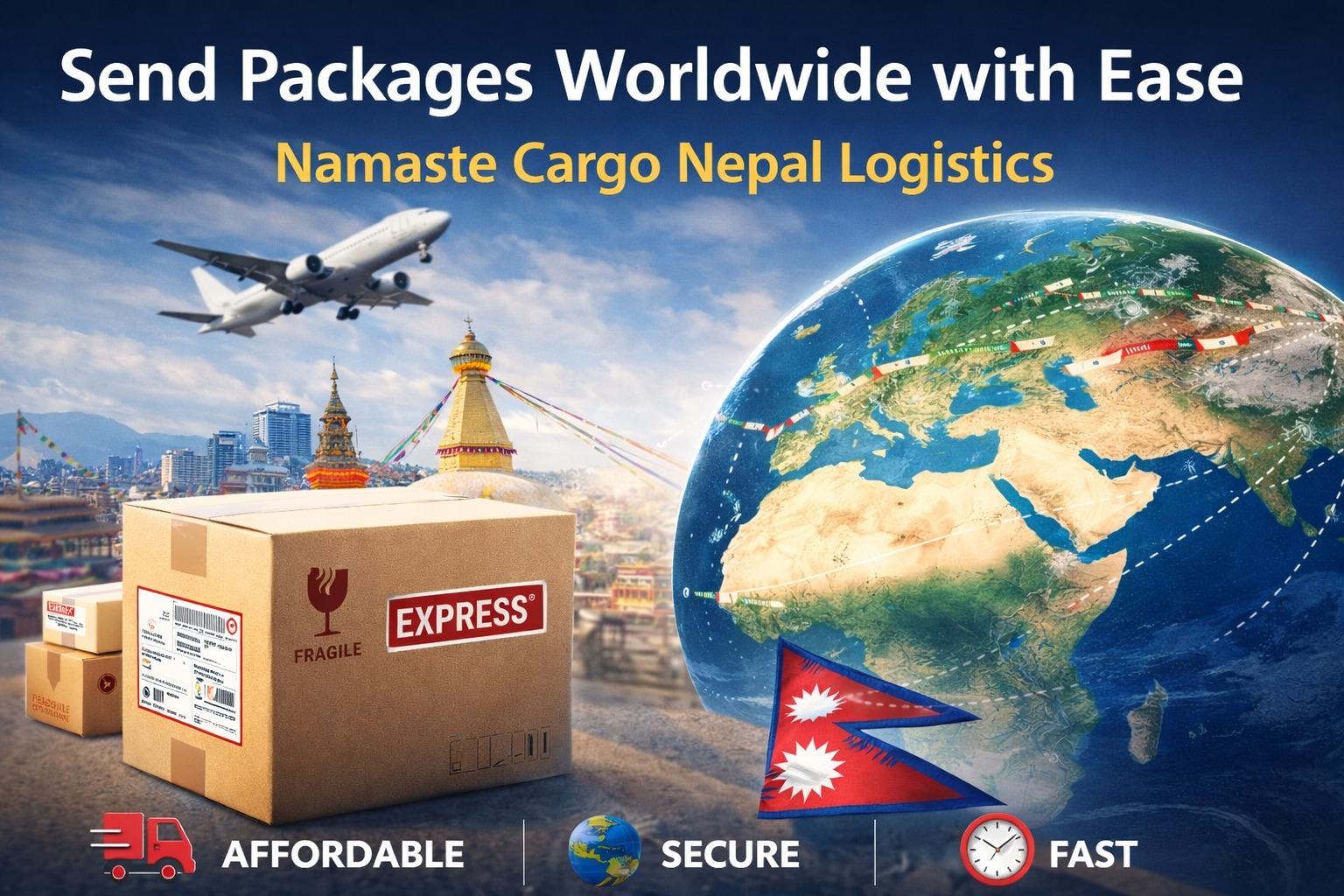
Namaste Cargo Nepal makes international shipping simple, fast, and affordable. Send documents, parce...
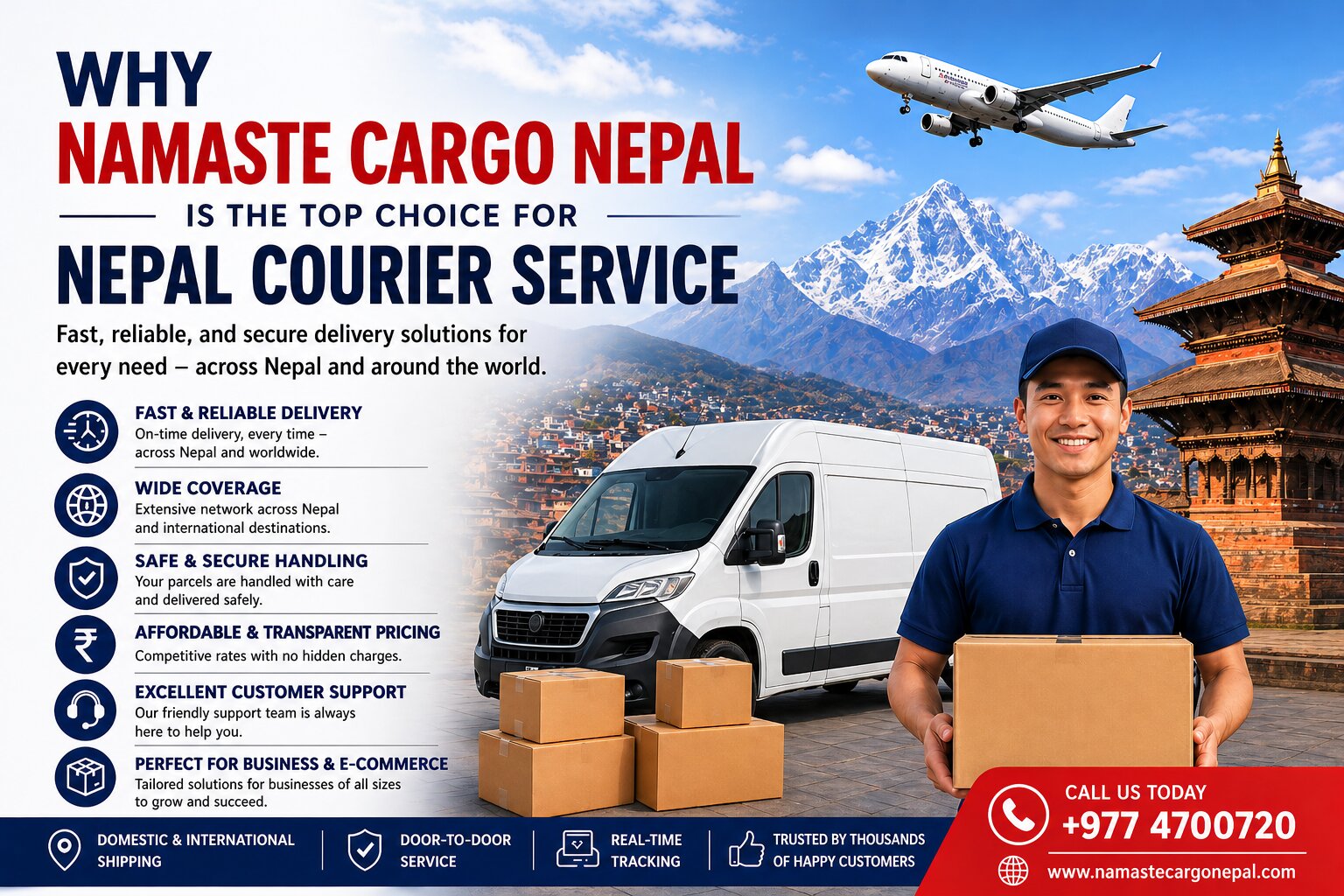
Looking for a reliable Nepal courier service? Discover why Namaste Cargo Nepal is the top choice for...